

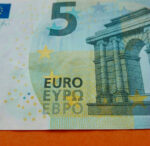
5 Euro Bill
IN AND OUT OF THE 5 EURO BILL
The 5 euro bill is one of the most commonly used bills in circulation. But what does it really look like? In this blog post, we will take a close-up look at the different features of the 5 euro bill. From the security features to the design and more, read on to learn all about the 5 euro bill.

WHAT IS THE 5 EURO BILL?
The 5 euro bills is a denomination of the euro banknote. The 5 euro note was first introduced in 2002. It is the smallest denomination of banknote in circulation in the eurozone. The 5 euro note is made of cotton paper and has a purple color scheme. The obverse side of the banknote features a portrait of Europa, a mythological figure who became associated with the continent of Europe. The reverse side of the banknote shows a map of Europe.
5 EUROS TO DOLLARS
When it comes to international travel, one of the most important things to know is how to convert currency. If you’re traveling from Europe to America or vice versa, you’ll need to know how to convert Euros to Dollars (or Dollars to Euros).
The Euro is the official currency of 19 of the 28 member states of the European Union. As of right now, 1 Euro is worth about 1.14 US Dollars. However, this rate fluctuates so it’s always best to check the current conversion rate before making any transactions.
There are a few different ways that you can convert Euros to Dollars (or Dollars to Euros). You can use an online currency converter, go to your local bank or exchange bureau, or use a mobile app. Whichever method you choose, make sure you compare rates before making a decision so that you get the best possible deal.
HOW TO GET THE 5 EURO BILL
Assuming you are in Europe, the 5 euro bills are not difficult to acquire. You can get it from any number of sources, including:
-Banks
-ATMs
-Currency exchanges
–Foreign exchange offices
-Some hotels and businesses
5 EURO PROP MONEY
Euro prop money is legal tender in the European Union. There are seven euro notes: the 5, 10, 20, 50, 100, 200, and 500. The 500 note is the highest-value euro bill.
The euro was introduced in 2002 as an accounting currency, replacing the national currencies of Austria, Belgium, Finland, France, Germany, Greece, Ireland, Italy, Luxembourg, Netherlands, Portugal, and Spain. Euro banknotes were first issued in 2002. They are all the same size (135 x 77 mm) and have different designs on the obverse and reverse sides.